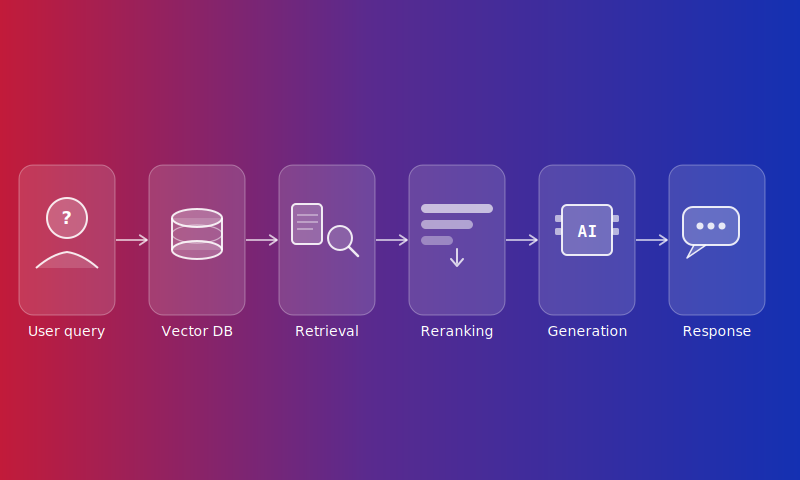
RAG Pipeline for Technical Documentation
I built a Retrieval-Augmented Generation pipeline using LangChain to answer questions over technical documentation, systematically tuning chunk size, embedding model, search type, and reranker settings across 30+ configurations. The final system used a GPT-OSS-120B generator, FAISS vector store, and a cross-encoder reranker.
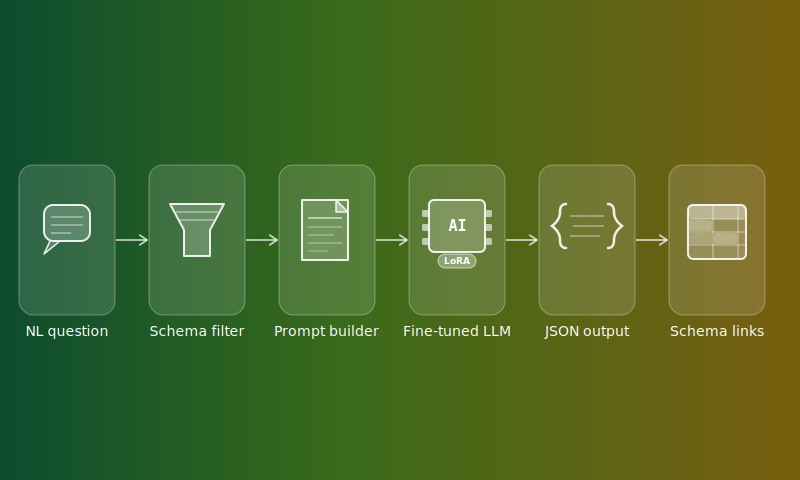
Schema Linking with Fine-Tuned LLMs
I fine-tuned small language models (≤2B parameters) using LoRA adapters to perform schema linking, identifying which tables and columns a natural language question references as a core step in NL-to-SQL systems. Testing 30+ configurations across Qwen, Llama, and SmolLM2 model families with NLTK-based schema filtering and hallucination post-processing, the best result was achieved with Qwen3-1.7B using attention-only LoRA.
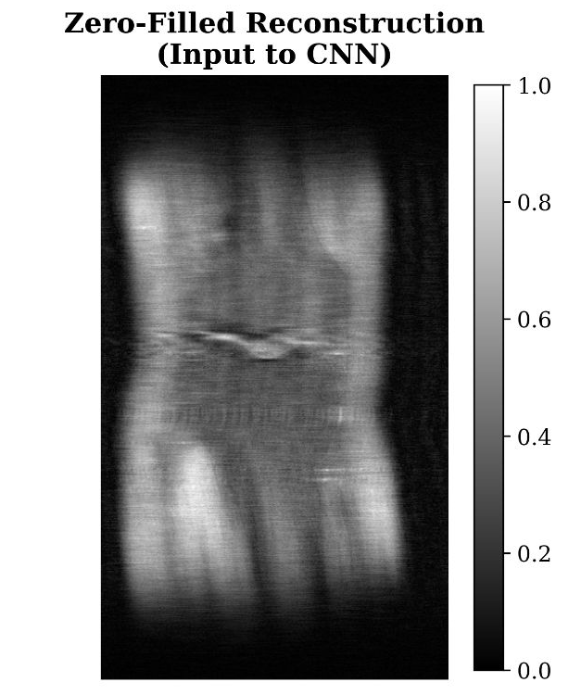
Neural Networks for MRI
To investigate the applications of Machine Learning in biomedical imaging, I built neural networks that reconstruct high-quality MRI images from just 25% of the usual scan data, potentially cutting patient scan times from 20 minutes to 5.
I compared two approaches: one leveraging raw frequency-domain physics, the other learning to remove artifacts directly, achieving a structural similarity index of 98%.
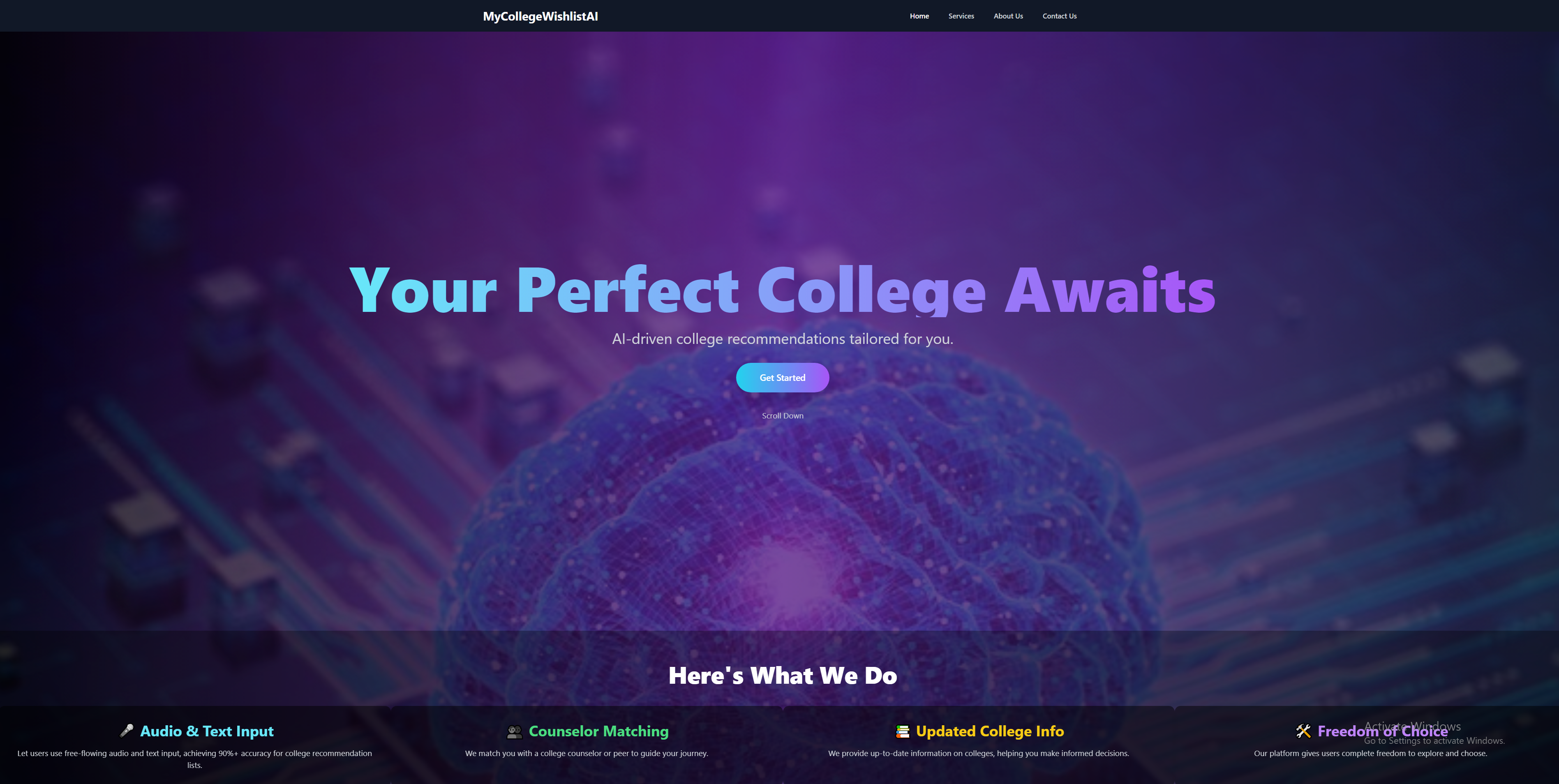
College Recommender App
During my internship at PM Accelerator, I collaborated on a full-stack college recommendation
platform that helps users find schools based on their academics and interests. We designed the React
frontend for a smooth experience and contributed to the AWS-hosted backend with custom APIs,
real-time search, and compatibility scoring.
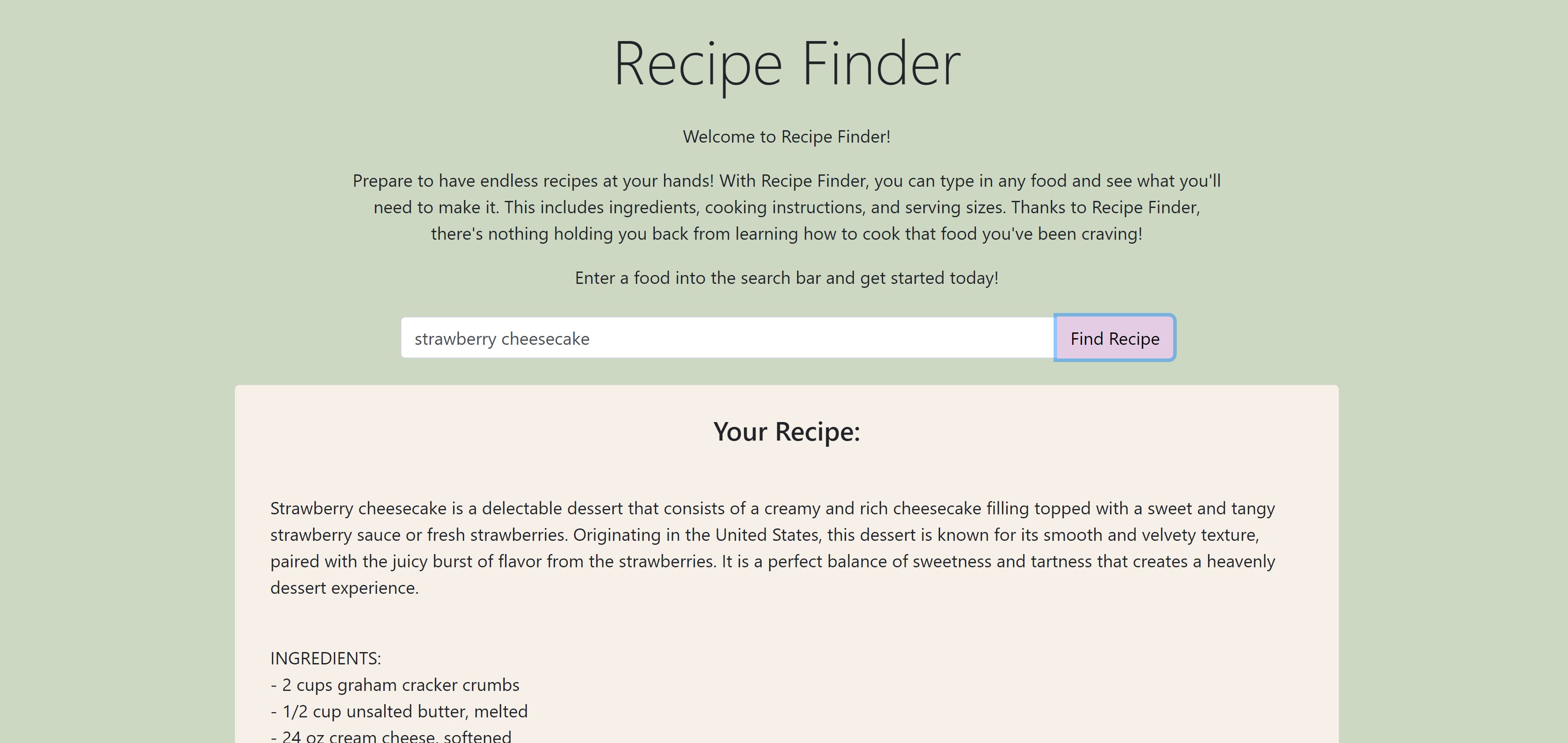
AI Recipe Generator
I developed a web application that generates a recipe for any meal as well as a summary of the dish, ingredients, serving sizes, and step-by-step instructions.
I used Flask for the backend and leveraged the OpenAI API for integrated prompting. This was a great introduction to applied AI and prompt engineering.
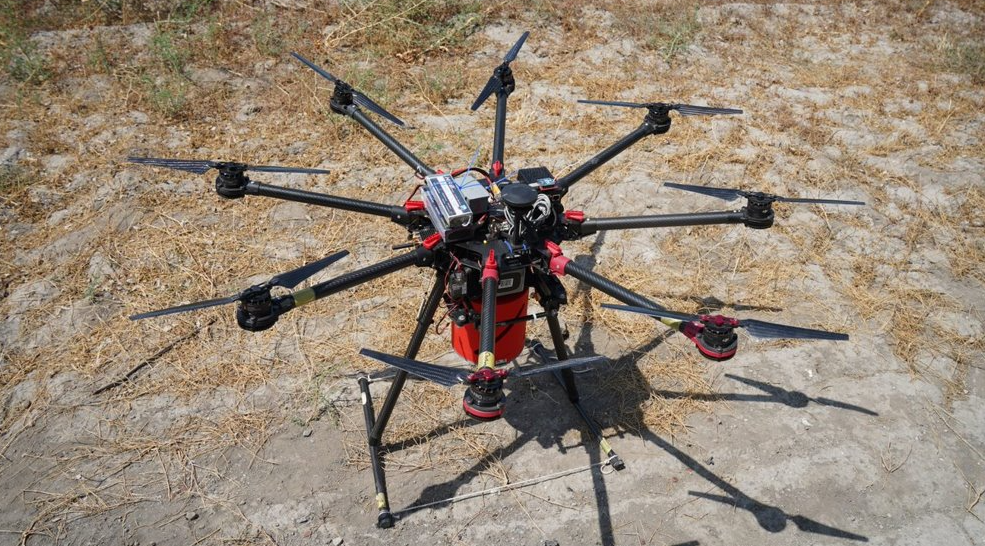
UAV ML Fire Detection
I collaborated on the Lockheed-Martin Fire Detection Project at Cal Poly Pomona, leading the ML team
to train a model capable of identifying fires and smoke. We trained a YOLOv8 model using a few thousand images
to achieve an accuracy rate of 80%, and I presented our findings to Lockheed-Martin engineers at the
College of Engineering Research Symposium.
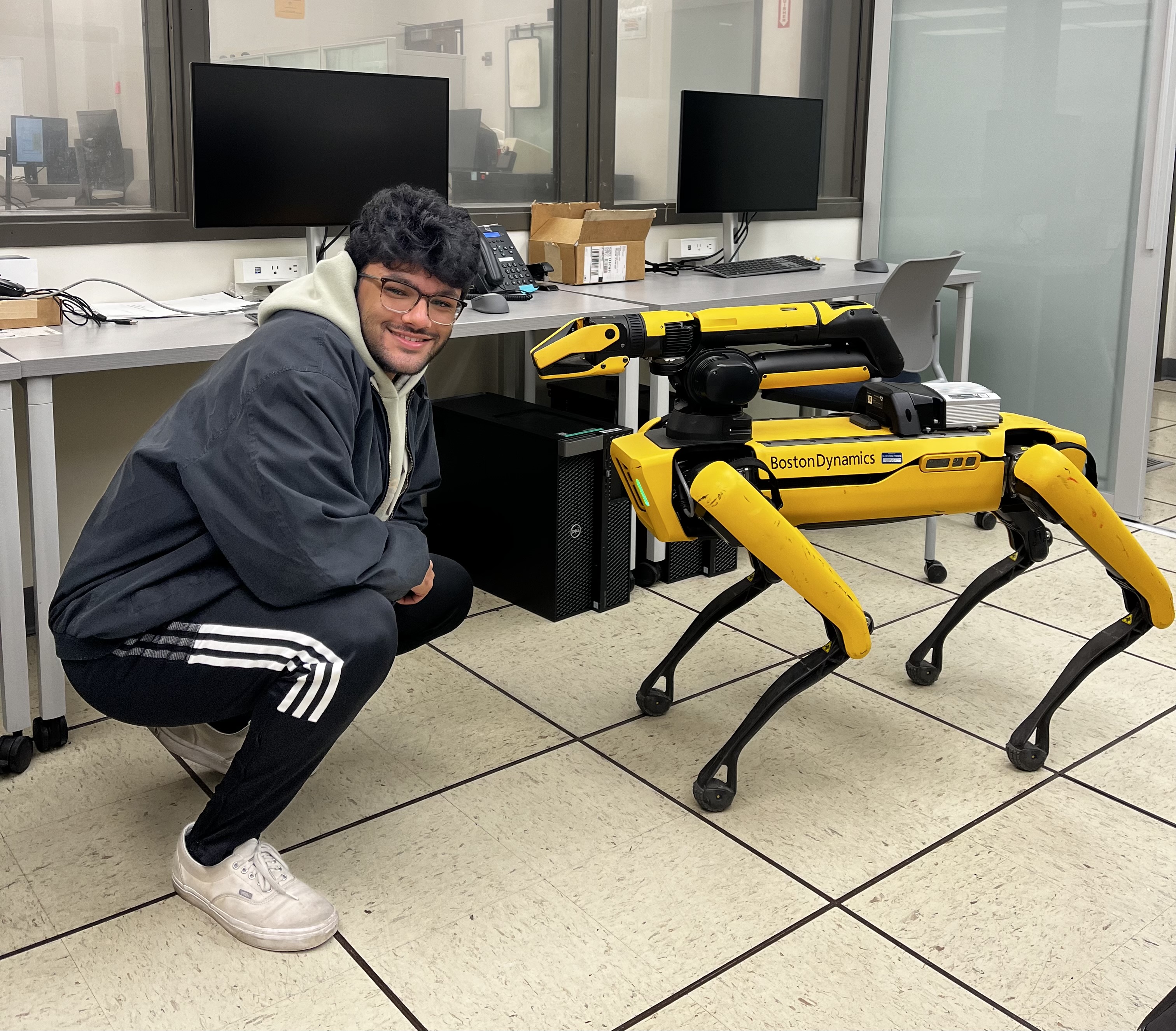
Boston Dynamics SPOT
I worked on a research project utilizing the Boston Dynamics SPOT robot to perform
autonomous package deliveries. SPOT was programmed to identify a package, retrieve it, and navigate its way
to a delivery destination using fiducial markers. We presented our project at the College of
Science Research Symposium as well as at an Open House showcase for new students.
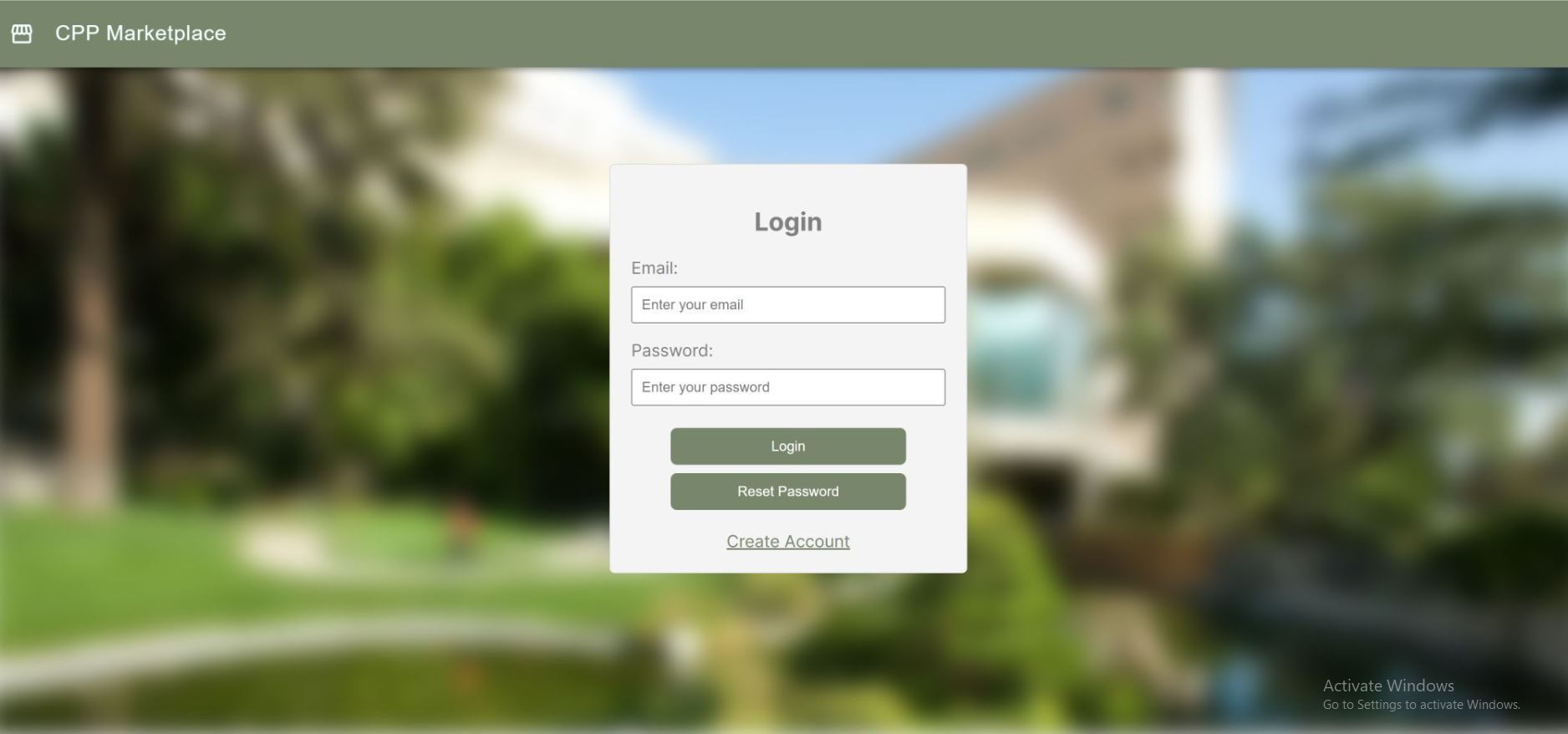
CPP Marketplace
At the 2024 Cal Poly Pomona BroncoHacks, I collaborated with a team to develop a full-stack
campus-exclusive marketplace in under 24 hours. Built with Next.js, React, TypeScript, and
Material UI, the platform supported user authentication, item listings, and filtered search,
with Firebase powering real-time cloud data storage. This experience strengthened my skills in
web development, teamwork, and rapid problem-solving.
CUDA GPU Computing
In my senior year, I studied the NVIDIA CUDA programming language, learning how to harness the
massive parallelism of GPU architecture to accelerate complex computations. Developed in CUDA
and tested on systems at the National Center for Supercomputing Applications (NCSA),
I learned to optimize performance for real-world data-heavy tasks like Convolution and Pooling,
techniques used in Machine Learning.